
Assetova Academy
Acting Across Genres
What a place here costs you
Participation is structured as a single enrolment covering the full program — no add-ons, no tiered access. The fee reflects the live format: broadcast sessions with direct interaction, not pre-recorded material you watch alone.
Payment plans are available for participants who need to spread the commitment across several months. Reach out directly to discuss what arrangement suits your situation.
live sessions included — no extra costFormat
Weekly live webinars, each 90 minutes, with a structured Q&A portion built into every session.
Archives
Recordings of all sessions remain accessible for registered participants for the duration of the program.
Materials
Scene scripts, genre analysis documents, and instructor notes are distributed before each session.
Who gets the most from this
The program is not designed to suit everyone at every stage. Being specific about that makes the experience more useful for people it genuinely fits.
Some prior experience
Participants with at least one full production or camera role find the genre work lands faster. Absolute beginners may find the pace difficult to follow.
Comfortable with critique
Sessions involve scene analysis with direct instructor feedback. The environment is constructive, but it requires willingness to have your choices examined.
Available to prepare
Each live session assumes you have read the assigned material. Preparation time between sessions is roughly four to six hours per week.
The people around you matter
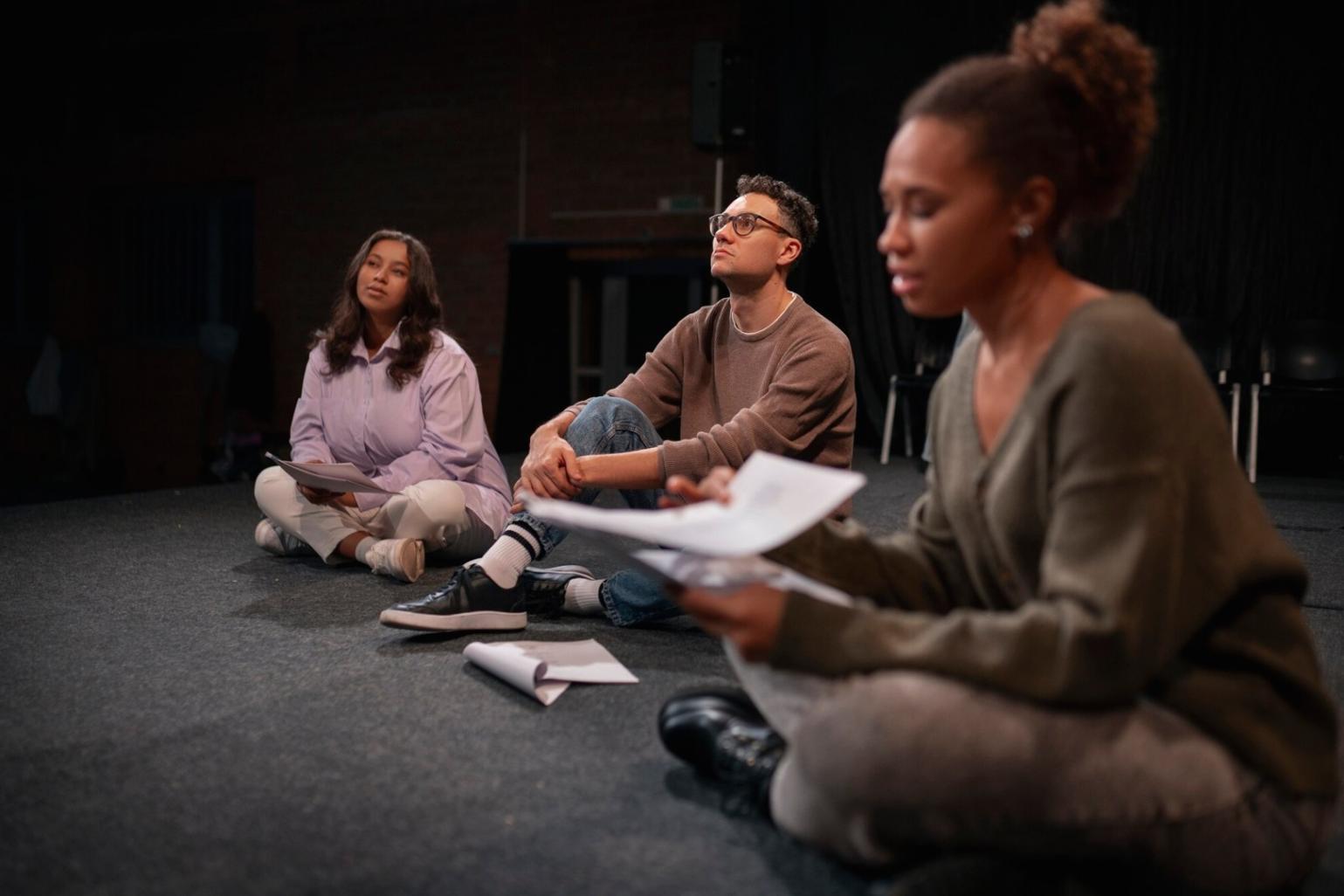
Sessions draw participants from theatre, film, and television backgrounds across Ukraine. The mix is deliberate — genre fluency develops faster when actors from different disciplines observe how each other works.
Between live sessions, participants share scene drafts and preparatory notes through the platform's group space. The exchange is voluntary but most find it useful.
The group had people from regional theatres and a few who had only worked on sets. Watching how they approached the same scene from completely different defaults — that was unexpectedly clarifying for me.

How the program moves
Not a step-by-step syllabus — more an account of what it actually feels like to move through this over several months.
Orientation weeks
Early sessions focus on genre vocabulary — not theory for its own sake, but the specific language instructors will use throughout. Participants often underestimate how much this shared reference accelerates everything that follows.
Dedicated genre modules
Drama, comedy, physical work, and screen technique each receive concentrated attention. Sessions in this phase are denser — more assigned reading, more direct scene work during broadcast time.
Crossover period
The most demanding stretch. Participants prepare the same scene for two different genres and bring both versions to the session. Comparison is uncomfortable and instructive in roughly equal measure.
Closing project
Each participant selects a character and traces them across three genre contexts. The work is reviewed in a final live session with the full group present. No grades — the feedback is the point.
Disciplines covered in the program
A focused selection, not an exhaustive catalogue. Each discipline has dedicated sessions and specific preparatory materials.

Screen acting
Camera proximity, eyeline discipline, and how technical constraints reshape character choices compared to stage work.
Dramatic genre
Scene construction, internal logic, and the difference between emotion that reads and emotion that overwhelms a scene.
Comedy and physical work
Timing, physicality, and how comedic structure differs from dramatic structure at the level of individual line delivery.
Genre transitions
The skill of reading which genre a scene belongs to — and adjusting mid-process when that reading turns out to be wrong.

Where this actually leaves you
Genre fluency is not a certificate you receive at the end. It shows up later, when an audition asks for something outside your default mode and you have a real toolkit rather than a guess.
Participants who have moved through the program report being more comfortable in casting conversations — able to articulate their range, not just demonstrate it in one style they know well.
read the full program descriptionAssetova Academy has been running structured actor training since 2014. The genre program specifically grew out of instructor observations about where working actors most commonly hit limits in audition contexts.
Questions about fit, timing, or logistics can be directed to contact@assetovaacademy.com — responses typically arrive within two business days.